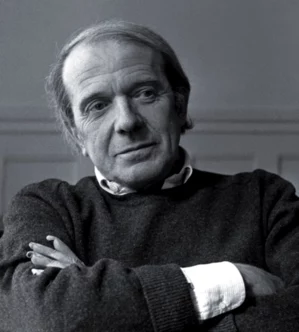
French philosopher; created a philosophy of difference and multiplicity that subverts the metaphysical tradition centered on identity. Produced solo works and collaborations with Félix Guattari.
Key Concepts
- Difference in itself (Difference and Repetition, 1968): difference is not derived from identity — it is originary; identity is secondary to difference. Critique of the tradition that always subordinated difference to the Same
- Rhizome (with Guattari): against the arborescent model (single root, hierarchy, center), the rhizome is horizontal multiplicity without point of origin or destination — connects any point with any other. Metaphor for thought, politics, and culture
- Lines of flight (lignes de fuite): every social and subjective system contains forces of deterritorialization that escape dominant structures — creation of the new, resistance to control
- Plane of immanence: reality has no transcendence; everything is immanent to a single plane of forces and intensities — against Platonic dualism and theological transcendence
- Desire as production (with Guattari): against Freud (desire as lack) — desire is productive, affirmative force; capitalism captures desiring production but it always overflows
- Body without organs: surface of intensities without prior organization — against the organism as normative model of the body
- Concept of concept: philosophy creates concepts — it does not represent, contemplate, or communicate; creating concepts is the philosopher’s specific task
Influenced by
- Bergson — duration, multiplicity, creation (Bergsonism, 1966)
- Nietzsche — will to power, eternal return, affirmation (Nietzsche and Philosophy, 1962)
- Spinoza — immanence and power (Spinoza: Practical Philosophy, 1970)
- Hume — radical empiricism and associationism
Influenced
- Cultural studies and queer theory
- Cognitive sciences and biology (self-organization)
- Architecture, contemporary art
- Post-Marxist political theory
Works
Nietzsche and Philosophy (1962); Bergsonism (1966); Difference and Repetition (1968); The Logic of Sense (1969); Anti-Oedipus (1972, with Guattari); A Thousand Plateaus (1980, with Guattari); What is Philosophy? (1991, with Guattari).
See also
Twentieth-Century Philosophy